Grumman EA-6B Intruder

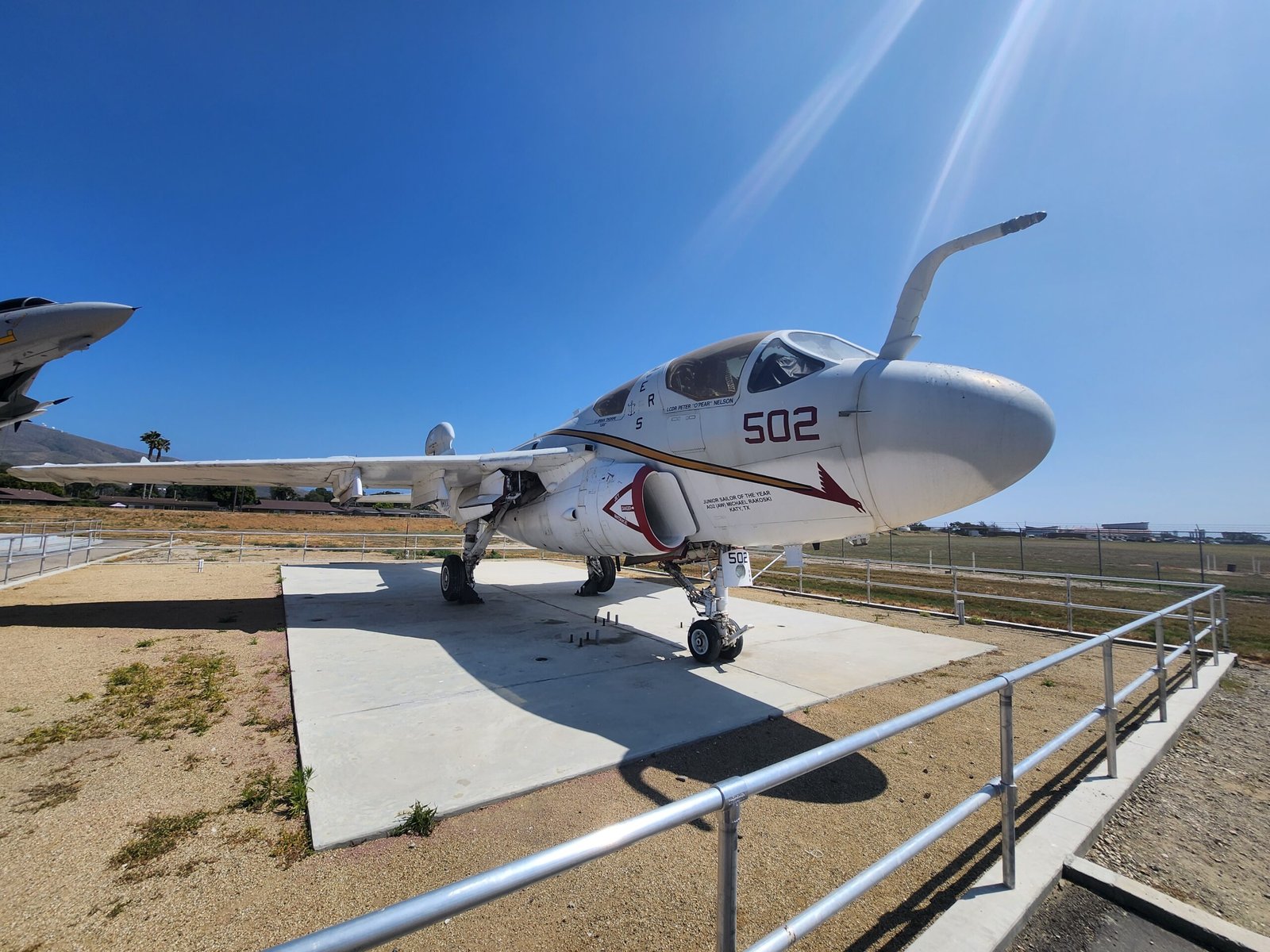
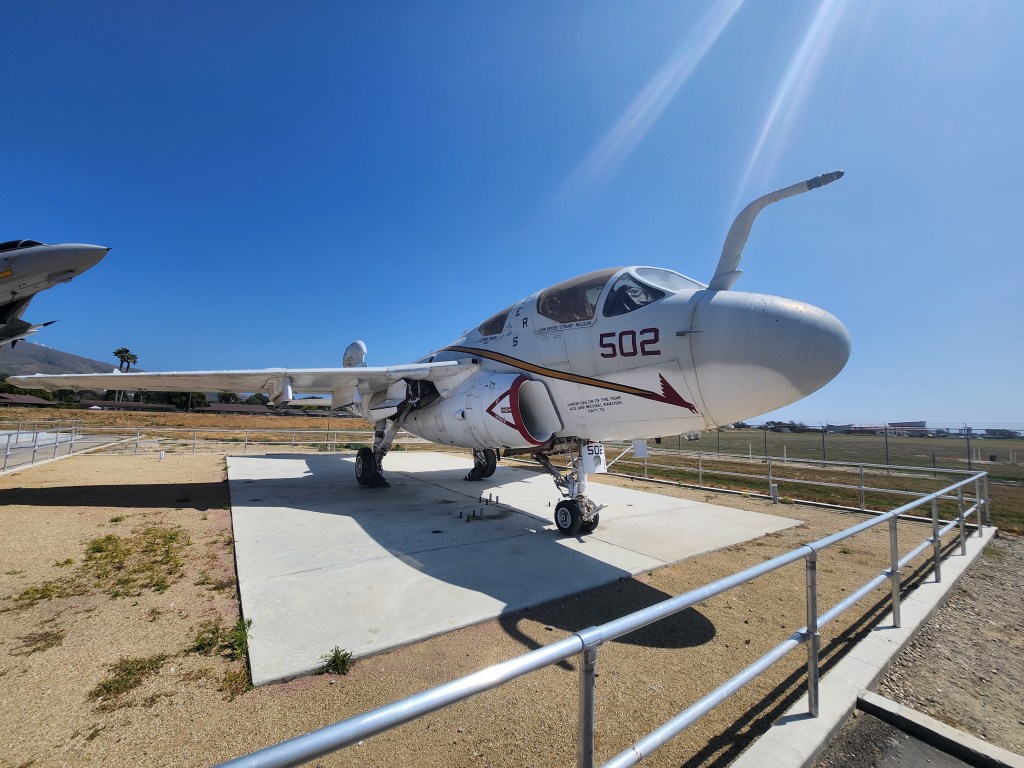
The Grumman EA-6B Prowler was a 4-seat electronic countermeasures attack aircraft developed during the Vietnam War. You can quickly differentiate an EA-6 from the A-6 Intruder upon which it was based by the longer airframe, the second cockpit canopies, and that distinctive bulb on the tail.

The A-6 Intruder was designed 1957 as a carrier-based strike and attack aircraft. That airframe was so successful that the last A-6 was retired in 1997. Along the way, Grumman produced several variants, including an airborne tanker, and the EA-6B Prowler.

The Prowler joined the Navy in 1971, serving in every theater of war from Vietnam through Afghanistan.

Her role was to identify, jam, and attack enemy air defense systems. She carried a pilot and three electronic countermeasures officers, referred to as ECMOs. The pilot brought the plane within range of the enemy’s defenses while the ECMOs located enemy radar installations.

The enemy’s defensive radar was to allowed to “sweep” the plane, which meant the Prowler was identified as a target. The Prowler’s defense was an aggressive and punishing attack on the installation, first by blinding the radar with radio waves and then destroying it with air-to-surface missiles.

It was hairy, dangerous work. Stunningly, not a single aircraft was ever lost in combat.

The Prowler’s mission and sophistication continued to evolve, such that by the time the plane served in Afghanistan and Iraq, the ECMOs could identify and disrupt specific cell phone communications.

Beginning in 2019, the Prowler’s role was beginning to move over to the two-seat Boeing EA-18 Growler, an adaptation of the wildly successful F/A-18 attack airframe.

In April of 2024, the Navy dedicated a plaque to the EA-6B at Point Mugu Missile Park in recognition of the service provided by these legendary aircraft.

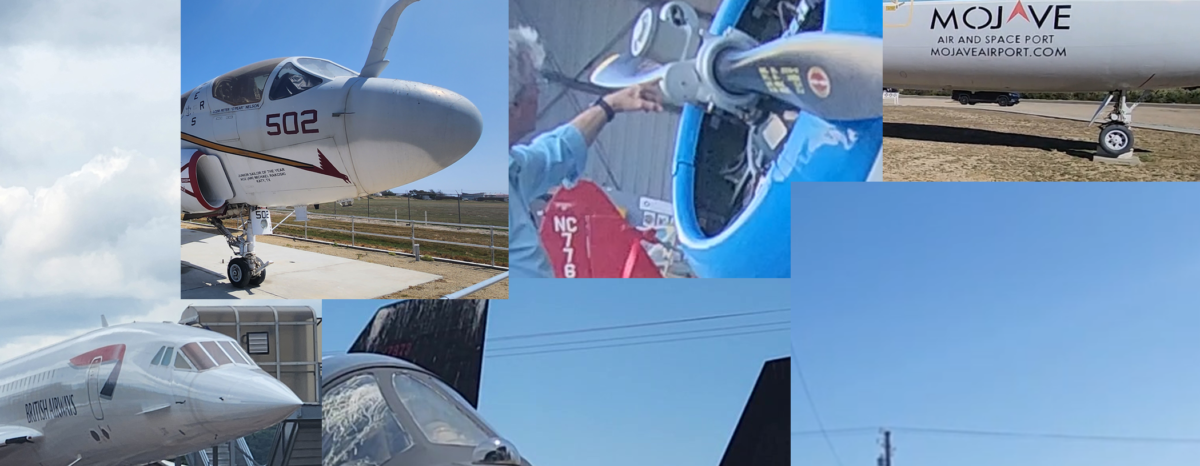
Included in the gallery at the top of this page is an A-6 undergoing restoration at the Estrella Warbirds Museum for comparison.

These images were taken at the Point Mugu Missile Park in Point Hueneme, and at the Estrella Warbirds Museum in Paso Robles.

Marvelous Air Museums is part of the John D Reinhart content family. Writer, illustrator, videographer, and accidental filmmaker — find the whole story at JohnDReinhart.com.

©2026 John D Reinhart/MarvelousAirMuseums.com – all rights reserved

Saab S-35 Draken

Imagine a dogfight where a Soviet MIG 17 pilot has the six of a Swedish Saab S35 Draken, his jet fighter directly behind the Swedish plane, looking right down the tailpipe, ready to launch a missile. There’s nothing the Draken pilot can do – no matter which way he turns, the MIG is right behind him.

Suddenly, the MIG pilot sees the Draken’s nose whip straight up, and to his amazement watches as the other airplane stalls, hanging in the air like a kite. The MIG whips past, its pilot wondering what had just happened.

Just as fast, the Draken’s nose comes back down, behind the MIG. And now the Draken pilot has the 6 position on the MIG, and is ready to fire the missile that will end the dogfight.

It sounds like something from Top Gun, but the Saab S 35 was the first airplane in history to be able to make that maneuver. The Draken’s double-delta wing arrangement gave it an insane degree of maneuverability, allowing it to invent and perform what’s been called the Cobra Manuever.

Modern fifth- and sixth-generation fighters, like the Lockheed F-35 Lightning II and the Sukhoi Su27 felon are among the few aircraft that can capably handle the maneuver today.

The little Draken was built between 1955 and 1974 in Sweden by the Svenska Aeroplan Aktiebolaget – we know them as Saab. The long, distinctive delta wing that starts at the air intakes and continues the whole length of the fuselage is augmented by a second set of deltas breaking away at a different angle about 2/3rds of the way back.

The Draken was the first aircraft to pioneer this double-delta innovation that led to increased stability in supersonic flight and yet offered the intense lift needed for the short runways from which the plane was expected to operate. In 1960, a Draken passed Mach 2 in level flight – another first for a Western European fighter jet.

Although it never fired a shot in anger, the versatile, efficient Draken was a mainstay in the Western European arsenal during the Cold War. They stayed in service right into the 1980’s, when they were phased out in favor of the JA 37 Viggen.

The example at the Mojave Air Museum Legacy Park is actually a T 35 Draken, a two-seat training version. You can see the periscope device mounted to the canopy bow over the front seat. This allowed the trainer sitting in the back to monitor the student’s performance.

A little dustier, and waiting for its time in the refurb shop, the S 35 at Estrella Warbirds is a good example of the Draken in its combat configuration.

Source: https://en.wikipedia.org/wiki/Saab_35_Draken

These images were taken at the Mojave Air Museum Legacy Park in Mojave, and at Estrella Warbirds Museum in Paso Robles.

Marvelous Air Museums is part of the John D Reinhart content family. Writer, illustrator, videographer, and accidental filmmaker — find the whole story at JohnDReinhart.com.

©2026 John D Reinhart/MarvelousAirMuseums.com – all rights reserved